
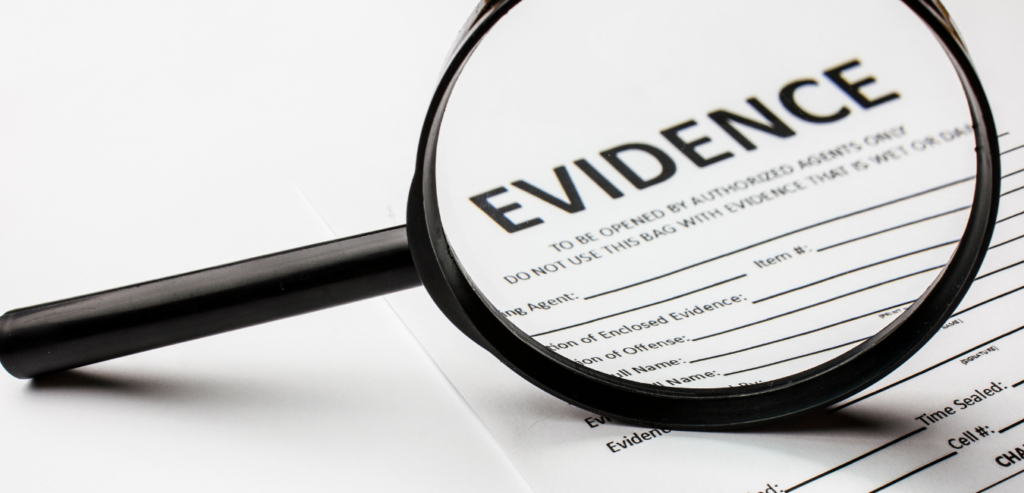
If you are filing a compensation claim, you will need to gather as much evidence as possible to ensure you get the best result possible. It can be challenging to differentiate between the critical documents required for your claim and the less important ones.
To help alleviate some of the stress related to collecting evidence during a claim, the team at Optimum Compensation Lawyers has created an overview of the most significant evidence in determining your claim’s outcome.
Photographs and Videos
Photo and video evidence has proven crucially important for supporting every type of compensation claim, with the saying “a picture is worth a thousand words” becoming much more literal. This is especially true for motor vehicle accidents and public liability claims.
Motor Vehicle Accidents
Some people take precautions by installing dashcams into their vehicles to collect video evidence in case they are involved in a road accident. If you don’t have access to a personal dashcam, it is worthwhile asking bystanders to see if anyone has a recording of the accident from a different angle. If not, capture as many photos and videos as possible, including identifiable photos of the accident’s location, the number plates of the vehicles involved, the physical damage to the vehicles, and any physical injuries sustained in the incident.
Public Injuries
Injuries in public can happen extremely quickly, and capturing photographic evidence is often not front of mind; however, it can be crucial to securing the compensation entitled to you. If you have slipped over, fallen on uneven or cracked concrete, or had any similar situation, you may have grounds for compensation. A photo or video of where the accident occurred is best to showcase the incident. For example, if you slip on a wet floor of a shopping centre, take a photograph of where the incident occurred – the water on the floor and the surrounding area, particularly if there is no signage around to alert people of the hazard. It could strengthen your claim and ensure the shopping centre cannot dispute it, especially if they fix the issue before an investigation has formally begun.
Physical Injuries
Depending on the nature of the incident and the severity of the injuries, injuries of a physical nature may be quite visible. It can be beneficial to obtain photographs of any bruising or abrasions, not only at the time of the accident but also during your recovery. In the event that surgery is required, photo evidence of your hospital stay and your injuries throughout the recovery process helps to demonstrate the severity of your injuries and support any claim for past and/or future medical expenses.
Witness Statements
For all compensation claims, witness statements are vital evidence to support your claim and provide a more impartial, factual account of the events leading up to and following an incident.
The most important thing to remember is to get a name, contact number, email address and a brief description of the accident from any eyewitnesses, so they can be formally contacted during a compensation claim if need be. It is better to have at least one name rather than none.
Medical Expenses and Records
Collect all relevant records relating to your injuries in an accident to ensure you are compensated fairly and to the fullest amount. This goes for every compensation claim, from motor vehicle accidents to work-related injuries. Gathering evidence for a claim should include, but is not limited to the following:
· Hospital bills and documentation of treatment
· Medical expenses including doctor’s appointments, prescription medications, allied health professionals and other necessary medical equipment needed for recovery
· Medical records, certificates and referrals
· Travelling expenses if your ability to drive was hindered
· Any rehabilitation expenses
Economic Loss
If your injuries have directly affected your ability to work, there is a possibility you will be eligible to claim compensation for the loss of, or reduction in, earning capacity. This can take into consideration the past and future time off work due to pain and/or medical treatment, and the loss of opportunity.
For example, if you were expected to receive a promotion or new job but were then involved in an accident that affected this opportunity, this could be considered when assessing your economic loss, particularly if the remuneration from the lost opportunity would have been higher than your existing salary.
To assess your actual economic loss, your legal team will require detailed records, including (but not limited to):
· Proof of Income – Payslips and Income Tax Returns
· Employment Records
· Work diaries and history of working hours
· Resume/CV & Qualifications
It can be almost impossible to know where to begin with gathering evidence for your claim. The Optimum Compensation team is well experienced in understanding which documents are relevant and guiding you to obtain these. To seek assistance with your compensation claim, please contact our team today for a free consultation.